
What Buyers Should Know Before Purchasing A Cottage Or Vacation Property
For many Canadians, buying a cottage is about more than real estate.
It’s about lifestyle.
Long weekends.
Family memories.
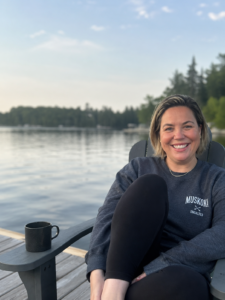
Lake mornings.
Campfires.
A place to slow down.
But cottage financing can sometimes look different than financing a traditional home — especially in areas like Muskoka, Georgian Bay, Simcoe County, and Northern Ontario.
This is why understanding cottage mortgage strategy before shopping can be incredibly important.
Can You Get A Mortgage For A Cottage In Ontario?
Yes — many Canadians successfully finance cottages and vacation properties every year.
However, lenders may evaluate cottage properties differently than traditional residential homes depending on:
- location
- year-round accessibility
- water source
- septic systems
- zoning
- property type
- and overall marketability
Not every cottage fits standard lending guidelines.
What Makes Cottage Financing Different?
Some cottages qualify similarly to traditional homes.
Others may fall into categories lenders consider more “rural” or “seasonal.”
Factors lenders may review include:
- whether the road is maintained year-round
- distance from major centres
- heating type
- waterfront access
- potable water
- septic systems
- property condition
- and resale potential
These details matter because lenders assess both risk and long-term marketability.
How Much Down Payment Is Needed?
Every situation is different, but down payment requirements for cottages can vary depending on:
- whether the property is owner-occupied or seasonal
- the property characteristics
- lender guidelines
- and overall borrower strength
Some cottages may qualify with lower down payments, while others may require more flexibility or larger equity contributions.
Can You Use Rental Income From A Cottage?
Potentially — yes.
Some buyers explore:
- short-term rental income
- seasonal rental income
- Airbnb or vacation rental opportunities
However, not all lenders treat projected rental income the same way.
Local bylaws, zoning, lender policies, and property type can all affect financing options.
Cottage Ownership Costs People Forget About
One of the biggest surprises for buyers is that cottage ownership often involves more than just the mortgage payment.
Additional costs may include:
- septic maintenance
- waterfront maintenance
- insurance
- dock repairs
- winter road access
- utilities
- property taxes
- renovations
- and seasonal upkeep
This is why cash flow planning matters just as much as qualification.
Mortgage Strategy Matters With Cottage Purchases
Cottage financing is often more successful when buyers plan early.
Sometimes strategy may involve:
- using existing home equity
- refinancing a primary residence
- improving debt ratios
- increasing down payment strength
- or structuring financing differently
Not every lender approaches cottages the same way.
And not every cottage fits conventional financing guidelines.
Final Thoughts
For many families, a cottage is about creating experiences and memories that last generations.
But purchasing a vacation property should still fit comfortably within your overall financial picture.
Understanding:
- financing requirements
- long-term costs
- lender expectations
- and mortgage strategy
can help make the process feel much clearer before moving forward.
Lora Fenn | Mortgage Maven ✨
Mortgage Agent Level 1
Dominion Lending Centres YBM Group
Local to Barrie, Oro-Medonte, Simcoe County, Collingwood & Muskoka
Serving clients nationwide 🇨🇦